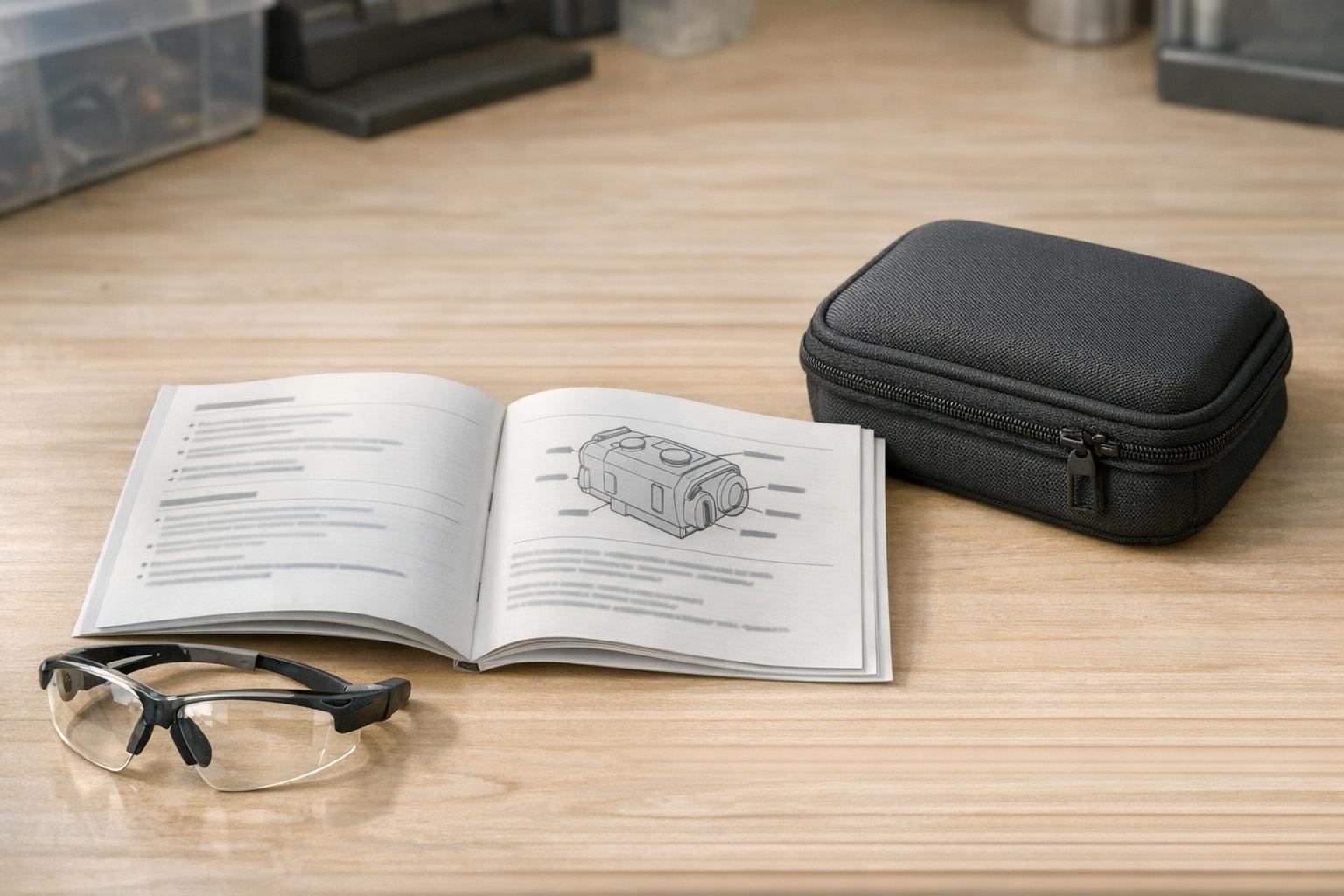
Before you make a decision on buying firearm accessories, read your firearm's owner manual. The owner's manual that most firearms come with is more than a summary of the various warnings that could potentially be placed on the firearm and the basic operation and maintenance of the firearm. It will detail specific model information as well as the various methods to operate the firearm and various ways to store, clean and maintain it. All information on compatible parts will also be contained within the owner's manual.
Start with the Manual for Informed Choices
The owner's manual contains far more information than just a list of warnings and how to use your firearm. In addition to model specific information, the manual will also outline the controls of your firearm and how to perform routine maintenance to keep it in top working order.
Check for model numbers and for any special versions of your gun that may be listed in the documentation. Many guns look similar on the outside but can have vastly different configurations such as different mounting systems for scopes, different magazines, or completely different control systems. What seems to be a compatible claim on line for accessories must be cross-referenced to verify that the model of your gun that you have is in fact listed as compatible.
Make sure to understand the sections about operation, storage, cleaning, and additional parts and accessories. If your manual is lost or you are unable to locate a copy, visit the manufacturer's website or contact them to obtain a current copy. Do not rely on images found online, firearm forums, or lists of supposedly compatible accessories, for safety reasons.
Creating a Practical Accessory List for Your Range Visit
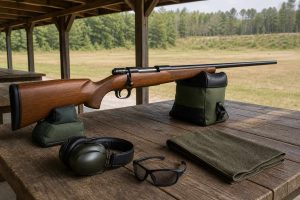
When preparing to head out to the range for your first shooting experience, be aware that you don't need to purchase every single accessory that is available online. A good place to start would be with the basic items that will aid in a safe and effective shooting experience. For instance, include in your list of items to purchase eye and ear protection, the appropriate ammunition for your firearm as listed in your manual, and a good means of transporting your firearm to and from the shooting facility.
Additionally, no one wants to be forced into purchasing several items which may not necessarily solve their current problems with firearms. First start by determining what you really need, be mindful of advertised products that seem ideal but read the full descriptions and don't rely solely on a picture and online title, which can sometimes be very deceiving. The products for transportation of firearms in cases are often marketed for long term storage as well, so determine what your specific needs are before finalizing your decisions.
Verify Compatibility Details
While there are many different firearm accessories on the market for just about every firearm ever made, your owner's manual will discuss the critical factors for the various different kinds of attachments to ensure that clearance around all of your firearm's controls is sufficient. Your manual will not include reference to all of the different aftermarket parts available for your firearm but will include information regarding the critical features and possibly limitations to consider when purchasing accessors.
However, the interface for mounting new optics or lights requires careful consideration also. Even so called universal adapters need to match the specific firearm in order to mount safely and to provide good access to all controls. Weight and especially modifications to access controls need to be considered too in order to guarantee safe handling of the firearm after installation.
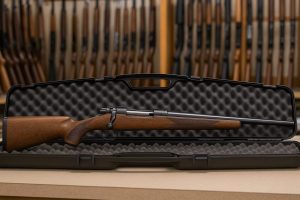
In regard to storage and transport, different cases can have vastly different dimensions, particularly when including the protrusions from the stock for handles. Cases can also impair access to controls, in addition to clamping the firearm in place, restricting its deployment. Store and transport your firearm using a case specifically designed for your model, to guarantee ideal fit. Similarly, your holster must match the dimensions of your firearm, including any sights, lasers, or other accessories which project from the bore axis.
Approach Installation with Caution
Some accessories are easier to install than others. That is why your manual may outline required tools and accessories as well as some modifications that can be completed by you and others that are best left to a professional gunsmith. Always follow the manufacturer's recommended methods for completing any modifications to your firearm.
Your safety and the safety of others around you could be in jeopardy. It is always best to follow your owner's manual and seek the advice of a Gunsmith if you are in doubt. Do not take the risk and modify your firearm in any way. There are many accessory's on the market for your firearm that will not compromise your firearms safety.
Be extremely cautious of upgrades and accessories that will change safety related parts of your firearm. Components that look to add function to your firearm could potentially be detrimental to safe usage, also possibly voiding your warranty. Make sure that all installed components are securely attached and will not interfere with normal function of controls on your firearm.
Use Your Range Visit as a Testing Ground
The first range trip for a beginner can be a stressful experience as it relates to accessories that were purchased online for use with their firearm. However, a smart shooter always remembers that there is more than one model of a firearm that looks very similar, and each model could have very different components that need to be used. It does not matter if the online descriptions say that a product will work with a "variety" of models. Look up the model number in your owner's manual or on the manufacturer's website to see if that model is listed as being compatible with the accessory in question.
You also need to check the firearm for any loose parts and make sure that it is properly set up with all of the accessories before leaving for the range. After you arrive at the range, make sure to read the range rules and then shoot the firearm as it was configured in your owner's manual (i.e. without any of your accessories). If any of your accessories move or do not function properly while you are shooting, then you will need to go back home and fix the problem with that accessory before going back to the range.
Note that a malfunctioning accessory is something that you should refrain from making work by altering the component. Also, be sure to store your firearm accordingly and investigate any malfunctions that do occur.
Document Your Findings for Future Reference
Recording your experiences including the model of your gun, the name of the gun accessory, any notes or comments you have regarding the fit of the product and the questions that remained unanswered for future reference will prove invaluable when you are looking for similar products in the future.
Going back to your manual from time to time is key in order to check the cleaning supplies, spare parts, storage etc. you are using for your firearm to see if they still are in accordance with the manufacturer's instructions as well as current laws and regulations. You can always check for updated information on your legal questions with the official government websites.
By starting off with your basic needs, you will make a great fire arm owner. Understanding what you need for your firearm and how to use it in the safest way possible will lead to a great gun owning experience. While reading your manual may take a little longer to purchase other items for your firearm, it will be worth it in the long run.